



Fitness Tips for Cricket Trials: Complete Guide
26 June 2026
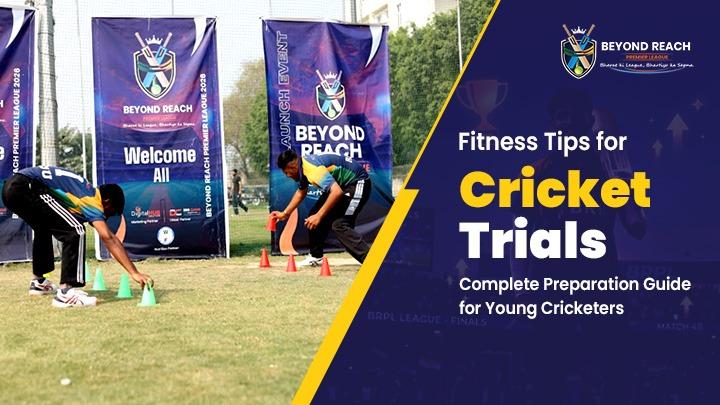
Cricket is no longer just a game of skill. Modern cricket requires skill, stamina, fitness, and mental strength. No matter if you are a batter, a bowler, or an all-rounder, your physical fitness is one of the major factors that can affect your performance on the field.
And when it comes to cricket trials India, fitness becomes even more important as players are being tested in a competitive environment. A talented player may have amazing cricketing skills, but if they don’t have the fitness to perform consistently, their skills don’t really show up effectively.
Right now, BRPL Trials continue to attract aspiring cricketers from across the country, and players are preparing for it relentlessly. They need to ensure they are physically ready to handle pressure and maintain strong performance in front of the selectors.
This guide provides all the information you need to know about cricket fitness training and how to prepare your body for the trials.
Why Fitness Matters in Cricket Trials
Players tend to put a lot of emphasis on batting or bowling practice and neglect fitness. But fitness affects nearly all aspects of performance.
Endurance
In the game of cricket, players need to have concentration and energy for long durations. Running, fielding, and bowling can be physically demanding even in shorter formats.
Players with good endurance can maintain their performance throughout the session, and fatigue will not affect them as much.
Agility
Quick movement is very important in cricket. Taking a sharp catch, diving to save boundaries, or responding to a fast delivery all depend on agility.
Speed
Running between the wickets, chasing balls in the outfield, and explosive bowling actions all need speed. Players who move quickly and confidently on the field are usually noticed by selectors.
Recovery
Trials may be conducted in multiple sessions over several hours. Players who recover well can maintain high performance throughout the whole day.
Injury Prevention
Low fitness levels can lead to strains, cramps, and injuries. Proper conditioning helps players to stay available, perform with confidence, and avoid setbacks during important opportunities.
Essential Components of Cricket Fitness Training
Instead of focusing on just one aspect of fitness, a complete cricket fitness training program should focus on multiple areas.
Cardiovascular Endurance
Cardiovascular fitness allows players to sustain their effort and recover more quickly from periods of high activity.
Running Drills
Steady-paced runs build endurance and stamina while boosting cardiovascular health.
Shuttle Runs
Shuttle runs are very similar to cricket movements and improve acceleration, deceleration, and recovery.
Interval Training
By alternating between high-intensity running and recovery periods, you can improve match-related fitness and endurance.
A simple example:
- Sprint for 30 seconds
- Walk for 30 seconds
- Repeat for 10–15 rounds
This style of training is very similar to match conditions.
Strength Training
Strength is very important for batting power, effective bowling, and preventing injury.
Lower Body Strength
It’s no surprise that strong legs improve running speed, balance, and explosive movement.
You can try some useful exercises like:
- Squats
- Lunges
- Step-ups
- Jump squats
Core Stability
When a player has a strong core, they get better balance, power transfer, and overall athletic performance.
Some of the recommended exercises to build a strong core are:
- Planks
- Russian twists
- Leg raises
- Mountain climbers
Upper Body Conditioning
For better batting control, throwing power, and bowling mechanics, upper body strength is very important.
Start with exercises like:
- Push-ups
- Pull-ups
- Resistance band workouts
- Dumbbell presses
Agility & Speed
Players who can move quickly and react instantly are always rewarded in cricket.
Cone Drills
Cone drills improve footwork, direction changes, and body control.
Sprint Exercises
Short-distance sprints help in developing speed for running between wickets and fielding.
Reaction Training
Reaction-based drills improve your reflexes and help you make good decisions under pressure.
Even simple catching drills with a partner can improve reaction time.
Flexibility & Mobility
Many players underestimate the importance of flexibility until an injury happens.
Dynamic Stretching
With dynamic stretches, muscles get warmed up for activity and improve the quality of movement.
Some examples are:
- Leg swings
- Arm circles
- Walking lunges
- High knees
Recovery Routines
One should never ignore recovery, as good recovery habits allow players to train consistently without too much fatigue.
Your recovery routine can include:
- Static stretching
- Foam rolling
- Light walking
- Proper sleep
4-Week Trial Preparation Plan
If your BRPL registration is complete and your trial date is around the corner, you need a structured plan to maximize your preparation.
Week 1: Build the Foundation
Focus on:
- Light running
- Mobility exercises
- Basic strength training
- Skill practice
Goal: Improve consistency without overloading the body.
Week 2: Increase Intensity
Focus on:
- Shuttle runs
- Sprint work
- Strength progression
- Match simulation drills
Goal: Improve athletic performance and cricket-related movement.
Week 3: Match Preparation
Focus on:
- High-intensity intervals
- Competitive practice matches
- Fielding drills
- Reaction training
Goal: Recreate trial conditions as closely as possible.
Week 4: Taper and Recover
Focus on:
- Light fitness sessions
- Technical practice
- Recovery
- Mental preparation
Goal: Arrive fresh, confident, and physically ready.
Do not do exhausting workouts in the final days before trials.
Nutrition Tips Before Cricket Trials
For a player, training alone is never enough. They need proper nutrition to support performance and recovery.
Hydration
Even a little bit of dehydration can affect your concentration and athletic performance.
Therefore, you must:
- Drink water consistently throughout the day
- Increase intake during hot weather
- Carry water during training sessions
Protein Intake
Protein plays a huge role in muscle repair and recovery.
Some of the good sources of protein are:
- Eggs
- Chicken
- Fish
- Paneer
- Milk
- Lentils
Include protein in every major meal.
Match-Day Meals
Before trials:
Choose foods that are:
- Easy to digest
- Rich in carbohydrates
- Moderate in protein
Examples:
- Oats with fruit
- Peanut butter toast
- Rice and vegetables
- Bananas
Do not eat heavy and oily meals just before trials.
Common Fitness Mistakes Players Make Before Trials
You have the talent and preparation, but some avoidable mistakes can affect your selection chances. Be wary of the following mistakes:
Overtraining
The final week before trials can be anxiety-inducing, but overtraining and trying to "catch up" usually just lead to tiredness and poor performance.
Ignoring Recovery
Sleep and recovery are as important as training. So make sure to get lots of rest.
Poor Nutrition
Do not eat junk food or skip meals, as it can negatively affect your performance.
Lack of Warm-Up
Starting intense activity without proper preparation increases the risk of you getting injured.
Focusing Only on Skills
Batting and bowling practice are important, but it’s usually fitness that decides whether those skills can be executed properly under pressure.
How Fitness Helps During BRPL Trials
The selection process at BRPL Trials assesses players in realistic cricket environments.
Fitness directly impacts:
Consistency
Players who have consistent energy levels usually perform better throughout trial sessions.
Movement Quality
Good fitness improves running, fielding, and overall athleticism.
Confidence
Fit players often move more freely and play with more confidence.
Recovery Between Sessions
Trials may have multiple activities. When a player is fit, they can recover quickly and maintain performance.
Positive First Impression
Selectors notice players who show energy, discipline, and professionalism on the field.
While fitness alone does not guarantee selection, it does allow players to show their cricketing skills more effectively.
Consistency Wins: Prepare Early, Perform Better
There is no shortcut to cricket fitness. Players who do well in the trials are typically the ones who have been preparing consistently.
Whether you are coming from academy cricket, local tournaments, or tennis ball cricket trials, physical preparation can significantly improve your chances of success.
But the good news is that you do not need expensive equipment or professional facilities to get started. With a good routine, a nutritious diet, and regular effort, you can get outstanding results in a few weeks.
Complete your BRPL registration, start your preparation early, and step onto the field ready to show your full potential.
FAQs
How fit should I be for cricket trials?
You should have enough endurance, strength, and agility to perform consistently in the trial sessions without getting tired.
Can I prepare for cricket trials in one month?
Yes. A structured four-week plan can make a huge difference in fitness, stamina, and overall readiness.
Does BRPL assess fitness during trials?
While cricketing skills are definitely important, overall athletic readiness, movement, energy levels, and physical performance are all factored into trial evaluations.
What exercises improve cricket performance?
Running drills, strength training, sprint work, agility exercises, and mobility routines are very effective.
How important is running for cricket trials?
Running is an important aspect of cricket preparation as it helps build endurance, recovery, speed, and overall match fitness.
Can tennis ball players benefit from fitness training?
Absolutely. Players coming from tennis ball cricket trials backgrounds can improve performance significantly with structured fitness training.
What should I eat before a cricket trial?
Choose light, carbohydrate-rich meals with moderate protein. Stay hydrated and avoid heavy and oily foods before the session.