



How to Improve Batting Timing in Cricket: A Complete Guide for Beginners
2 November 2026
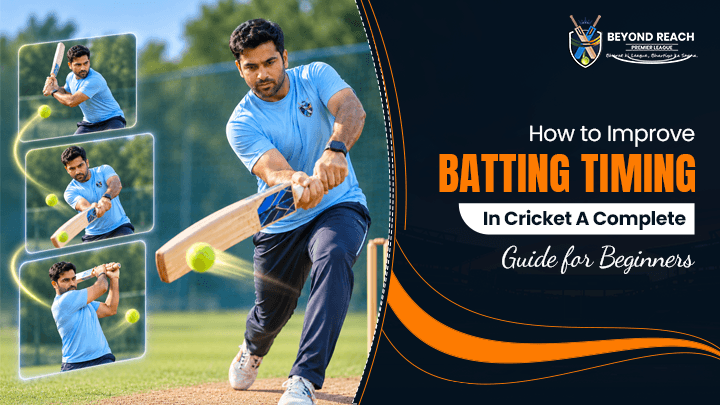
Every batter has faced that moment when the ball looks easy to hit, but the shot still goes wrong. You swing too early, the ball takes the edge, or a simple delivery ends up rolling straight to a fielder. It gets frustrating, especially when you know you could have scored runs from it.
The good news is that you do not need to hit harder to become a better batter. You need to read the ball, get your feet into the right position, and make contact at the right moment. Learning how to improve batting timing in cricket takes regular practice, but a few simple changes can help you play with more control and confidence.
Why Most Beginners Struggle With Batting Timing
One common mistake is deciding which shot to play before the ball has even reached you. You see a little space on the leg side and start preparing your shot, only to find that the delivery is shorter or wider than expected.
Footwork can cause problems too. If your feet move late, your body struggles to get into position, and the bat often follows at the wrong angle. Trying to hit every ball hard makes things even more difficult because you end up focusing on power instead of contact.
Start by slowing things down. Watch the ball from the bowler's hand, judge its line and length, and then decide what shot makes sense. You do not have to score from every delivery, and learning to leave a difficult ball alone is part of becoming a better batter.
Build Your Game With Basic Cricket Batting Techniques
You do not need complicated drills to get started. Work on a few basic cricket batting techniques first, because a comfortable stance and balanced movement make it easier to time the ball.
Keep your stance balanced: Stand with your feet comfortably apart, your knees slightly bent, and your weight evenly distributed. You should be able to move forward or backward without feeling stuck.
Watch the ball closely: Keep your eyes on the delivery as it comes towards you. Looking towards the field or thinking about where you want the ball to go can distract you at the most important moment.
Move your feet early enough: A full delivery may allow you to step forward, while a shorter ball may require you to move back. Avoid taking a huge step just for the sake of it. The aim is to reach a position where you can play the shot comfortably.
Keep your grip relaxed: Holding the bat too tightly can make your arms stiff and your swing less natural. Maintain control without squeezing the handle as hard as you can.
Finish in balance: After playing a shot, check whether you can stay on your feet without stumbling. If you lose your balance regularly, you may be reaching too far or trying to generate more power than the delivery allows.
Spend some time on defensive shots and straight drives before moving to bigger strokes. Clean contact is a better starting point than trying to clear the boundary in every session.
Batting Timing Drills You Can Practice at Home or in the Nets
You do not always need a full cricket ground or a bowling machine to work on timing. A tennis ball, a bat, and a little space can be enough to get started. Try these batting timing drills regularly, and focus on getting each movement right rather than rushing through the exercises.
1. Drop-Ball Practice
Hold a tennis ball in front of you, drop it, and play a controlled shot after it bounces. Start with a straight defensive stroke or a gentle drive. Pay attention to when the bat meets the ball instead of trying to hit it as far as possible.
2. Underarm Throwdowns
Ask a friend or teammate to feed the ball gently from a short distance. Begin with deliveries aimed towards the middle of the bat. Once you are making consistent contact, ask them to change the line so you have to adjust your feet and shot selection.
3. Shadow Batting
Practise your stance, backlift, footwork, and follow-through without a ball. Play a forward defensive shot, a straight drive, and a back-foot shot. It may feel repetitive, but it helps you notice whether your movements are balanced and controlled.
4. Target Practice
Place two cones a short distance apart and try to guide the ball through the gap. This encourages you to control the direction of your shot instead of relying on power. Start with slow feeds, then increase the difficulty as your control improves.
You can spend 10–15 minutes on these exercises before regular net practice. Keep the sessions focused, and give yourself time to improve rather than expecting perfect timing after just a few attempts.
How to Play Fast Bowlers Without Rushing Your Shots
Fast deliveries can make beginners panic. You see the ball coming towards you, start your swing too early, and end up making poor contact. Sometimes you move backwards before judging the bounce, which leaves you in an awkward position.
The first thing to remember is that you do not have to attack every delivery. Watch the bowler's release, stay balanced, and give yourself time to judge the ball. If it is too wide or difficult to reach, avoid stretching for an unnecessary shot.
During practice, ask your partner to start at a comfortable pace. Once you can judge the line and bounce consistently, increase the speed gradually. If you keep getting beaten by the same type of delivery, spend a few sessions working on that problem instead of trying to fix everything at once.
Simple Ways to Improve Batting Skills Every Week
If your practice sessions have no clear goal, it is easy to spend an hour hitting balls without knowing what has improved. A better approach is to work on one part of your game at a time.
For example, focus on straight shots during one session and back-foot movement during the next. Ask your coach or practice partner to watch your balance and notice whether you are playing the ball too early or too late.
After practice, take a minute to review three things:
Which deliveries gave you the most trouble?
Did you lose your balance while playing any shots?
Were you choosing the right shot for the ball?
Write down the answers and use them to plan your next session. This simple habit can help you improve batting skills without changing your entire technique every time you have a poor net session.
Why Match Practice Matters as Much as Nets
Nets are useful for working on technique, but a real match brings different challenges. You have to read the field, judge the bowler's plan, manage the scoreboard, and decide when to take a risk. A shot that feels easy during practice can become difficult when a fielder is waiting in the gap.
Playing matches helps you understand when to defend, rotate the strike, or attack. It also teaches you to recover after a mistimed shot instead of letting one mistake affect the rest of your innings.
If you are an aspiring or semi-professional tennis-ball cricketer looking for organised competitive opportunities, BRPL is one option to explore. Reviewing the BRPL registration process can help you understand the participation requirements and plan your next steps.
Getting Ready for Competitive Cricket
Improving your timing is a gradual process, so avoid judging your progress only by the number of runs you score. Look at how often you make clean contact, how well you judge different deliveries, and whether you can stay balanced when playing under pressure.
Set a realistic weekly practice routine, keep track of the shots you are working on, and make time for match experience. Consistency will help you identify what is improving and where you still need work.
You will not get every shot right, and that is part of learning the game. Focus on making better decisions, one delivery at a time, and let your confidence build through practice.
Frequently Asked Questions
How can beginners improve batting timing in cricket?
Start with a balanced stance, watch the ball closely, and practice controlled shots using drop-ball exercises and underarm feeds. Regular, focused sessions can help you recognise the right moment to play.
Which drills help improve batting timing?
Drop-ball practice, underarm throwdowns, shadow batting, and target practice are useful starting points. They help you work on contact, footwork, balance, and shot direction without needing complicated equipment.
Does hitting the ball harder improve batting timing?
No. Power and timing are different skills. Focus on clean contact and balance first. Once you can meet the ball consistently, you can gradually work on generating more power without losing control.
How often should a beginner practise batting?
Try to schedule two or three focused sessions each week, depending on your availability. Even shorter sessions can be useful when you work on a specific skill and pay attention to the mistakes you make.
Can match experience help improve batting?
Yes. Matches help you practise shot selection, read field placements, and handle pressure. Combining net practice with regular match experience gives you more opportunities to apply your technique in different situations.