



Stretching Exercises for Cricket Injury Prevention
8 September 2026
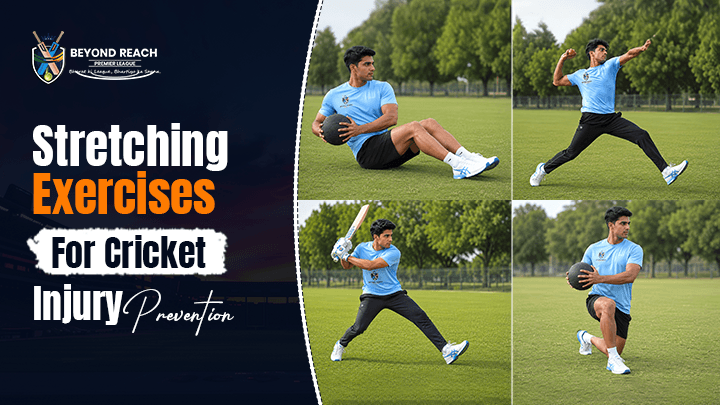
If you’ve ever strained a hamstring running for a quick single or felt your shoulder ache after a long spell of bowling, you’re already aware of why cricket injury prevention deserves more attention than it usually gets. From the boundary, cricket seems to be a slow, gentlemanly game, but ask any player, and they will tell you it requires explosive sprints, sudden twists, repetitive bowling actions and hours of standing in the field under the sun. This puts a lot of strain on the body.
The good news is that most injuries in cricket can be prevented. Regular cricket training and a good combination of stretching and warm-up exercises can help you stay on the field longer and play better. In this guide, we’ll take you through practical stretches and routines you will require in your cricket journey.
Why Cricket Injury Prevention Should Be Non-Negotiable
Cricket injuries usually fall into two categories: overuse injuries and acute injuries.
Overuse injuries happen when the same muscle or joint gets stressed again and again over time, without enough rest to recover in between. For example, a fast bowler developing a stress fracture from months of repeated impact, or a batsman getting chronic back pain from years of the same batting motion.
Acute injuries happen suddenly, in a single moment, usually from a sudden movement or impact. For example, a hamstring tear while sprinting for a quick single, or a shoulder strain from throwing the ball hard from the boundary.
There is a thread running through both. Tight, unprepared muscles are far more likely to become injured than those that are warm and flexible. This is exactly where cricket injury prevention begins, not with expensive gear or fancy gadgets, but with a disciplined stretching routine that becomes second nature with time.
Those who miss their warm-up often feel fine for the first few overs, but fatigue sets in faster, and the risk of a strain increases with every sprint. A simple way to extend your playing career is to develop cricket fitness through regular mobility work.
Warm-Up Exercises Every Cricketer Should Do
Before you even think about bowling a yorker or facing a bouncer, your body needs to be prepared. Warm-up exercises should never be treated as an optional five minutes before the toss. They are the foundation of injury-free cricket.
Light Jogging and Jumping Jacks: Start with five to seven minutes of light jogging around the ground, followed by a set of jumping jacks. This raises your heart rate gradually and gets blood flowing to the muscles you are about to work.
Arm Circles and Shoulder Rolls: Bowlers and fielders rely heavily on shoulder mobility. Slow, controlled arm circles in both directions, followed by shoulder rolls, loosen up the rotator cuff and reduce the chance of a shoulder strain during a throw or a bowling action.
Leg Swings: Stand next to a wall or fence for balance and swing one leg forward and backward, then side to side. This mobilizes the hip flexors and hamstrings, two areas that take a beating during sprints between wickets.
High Knees and Butt Kicks: Jog in place while bringing your knees up high, then switch to kicking your heels toward your glutes. These movements activate the quads and hamstrings without overstretching cold muscles.
A proper warm-up should take at least ten to fifteen minutes. Rushing through it defeats the purpose and leaves you vulnerable to injuries right when the match intensity picks up.
Dynamic Stretches for Cricket Fitness
Once your body is warm, dynamic stretching takes over. Unlike static stretches where you hold a position, dynamic stretches involve movement and are far more suited to preparing for the explosive demands of cricket.
Walking Lunges with a Twist: Step forward into a lunge and rotate your torso toward the front leg. This stretches the hip flexors while also engaging the core, which is useful for both batting and bowling actions.
Torso Twists: Stand with feet shoulder-width apart and rotate your upper body side to side with control. This loosens the spine and obliques muscles that batsmen use constantly while playing shots.
Hamstring Sweeps: Take a small step forward, keep the leg straight, and reach toward your toes without bouncing. This gently stretches the hamstring, a muscle group notorious for cricket-related strains, particularly for fast bowlers and outfielders.
Hip Circles: Standing on one leg, lift the other knee and rotate it in a circular motion. This improves hip mobility, which directly benefits bowlers during their delivery stride and fielders diving for a catch.
Including these dynamic stretches in your regular cricket training routine builds the kind of flexibility that static stretching alone cannot achieve.
Position Specific Stretching for Cricketers
Not every player uses their body the same way, so cricket injury prevention should be tailored to your role on the field.
For Fast Bowlers: Bowlers place enormous stress on their lower back, shoulders, and knees. Focus on lower back extensions, shoulder mobility drills, and ankle rotations before every spell. A tight lower back is one of the leading causes of stress fractures in fast bowlers, so this area deserves extra attention.
For Batsmen: Batting demands quick footwork and rotational power through the core. Wrist stretches, forearm stretches, and torso rotations help prevent strains during long innings, especially in the heat.
For Fielders and Wicketkeepers: Explosive lateral movement and quick reflexes are essential. Groin stretches, calf raises, and wrist mobility drills prepare the body for sudden dives and low catches close to the bat.
Building these position-specific habits into your cricket training schedule, not just before matches but during practice sessions too, is what separates players who stay fit all season from those who are constantly nursing niggles.
How BRPL T10 Encourages Smarter Cricket Training
Grassroots leagues are playing a bigger role in shaping how young cricketers approach fitness and injury prevention. BRPL T10, a community-driven tournament format that has given many small town players their first taste of competitive cricket, has become a platform where fitness discipline is taken seriously alongside raw talent.
In fast-paced T10 cricket, players get very little time to ease into the game. Every over counts, which means players are sprinting, diving, and bowling at full intensity almost from the first ball. This format makes proper warm-up exercises and injury prevention practices even more essential. Many players associated with leagues like BRPL T10 have spoken about how structured warm-ups and stretching routines, introduced through organized league cricket, helped them avoid the kind of injuries that used to be common in unstructured tennis ball matches.
This is a good reminder that cricket fitness is not just for professionals with access to physiotherapists. Even at the grassroots level, a simple stretching routine before a match can make a real difference.
Cool Down and Recovery Matter Too
Cricket injury prevention does not end when the umpire calls stumps. Cooling down properly helps your muscles recover and reduces soreness for the next day.
Walk slowly for five to ten minutes to bring your heart rate down gradually. Then do static stretches, holding each position for twenty to thirty seconds, focusing on the hamstrings, quads, shoulders, and lower back. Hydration and sleep are as important as the stretches themselves, as the muscles repair and strengthen during rest.
Building a Sustainable Cricket Fitness Routine
Consistency beats intensity when it comes to injury prevention. Rather than having a heavy stretching session once a week, try shorter, more regular sessions included in your daily cricket training. On non-match days, doing 15 minutes of mobility work will keep your muscles primed and reduce stiffness.
Combine this with strength training for the core, hips, and shoulders, along with cardiovascular conditioning to build the stamina needed for longer formats. Fitness is a long-term investment in cricket, and the players who are serious about it are generally the ones who have the longest and least interrupted careers.
Conclusion
Cricket injury prevention is not complicated, but it does require consistency. A proper warm-up, dynamic stretching tailored to your playing position, and a disciplined cool-down routine can dramatically cut your risk of getting sidelined. Whether you are playing a casual weekend game or competing in a structured tournament like BRPL T10, treating your body with the same seriousness will pay off in the long run.
Do not wait for an injury to take stretching seriously. Build your warm-up routine today and play stronger, longer.
Ready to test it out? Register for the BRPL Trial and bring your best game, injury-free. Complete your BRPL Registration today and get ready to take the next step toward the league.
Frequently Asked Questions
How long should a cricket warm-up last?
At least 10 to 15 minutes before every match or practice session.
What is the most common cricket injury?
Hamstring strains are the most common cricket injury, especially among bowlers and fielders.
Should I stretch before or after a match?
Yes, you can do dynamic stretches before the match and static stretches after the match.
Can stretching alone prevent all cricket injuries?
No, but it significantly lowers the risk when combined with strength training.
Is injury prevention important for amateur players too?
Yes, amateur and league players like those in BRPL T10 face the same injury risks as professionals.